


Choosing the Right Private Medical Clinic in Ottawa: A Comprehensive Guide
March 4, 2024
How Healthy Employees Improve Business Results
January 31, 2024
The Importance of Routine Health Screenings:
A Vital Step Towards Preventive Care
Taking charge of your health is not just about addressing concerns when they arise but proactively preventing potential issues. One crucial aspect of maintaining optimal health is regular health screenings. These screenings play a pivotal role in early disease detection, making them more manageable and treatable. In this blog, we’ll delve into the significance of routine health screenings, emphasizing their role in preventing heart disease, diabetes, breast cancer, and colorectal cancer.
Early Detection for Effective Treatment
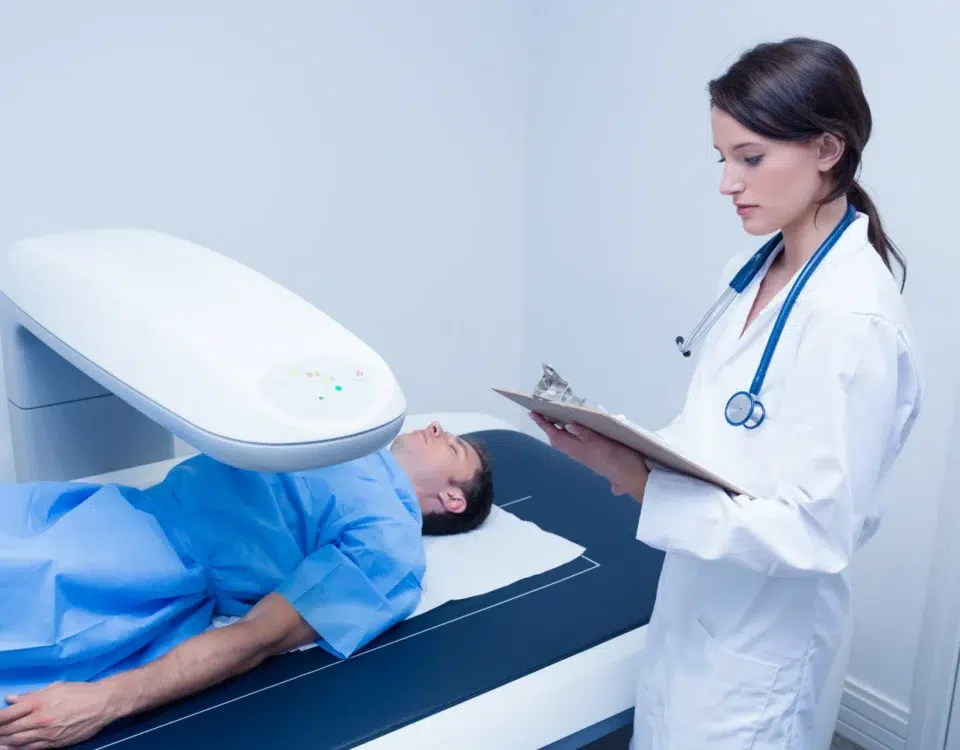
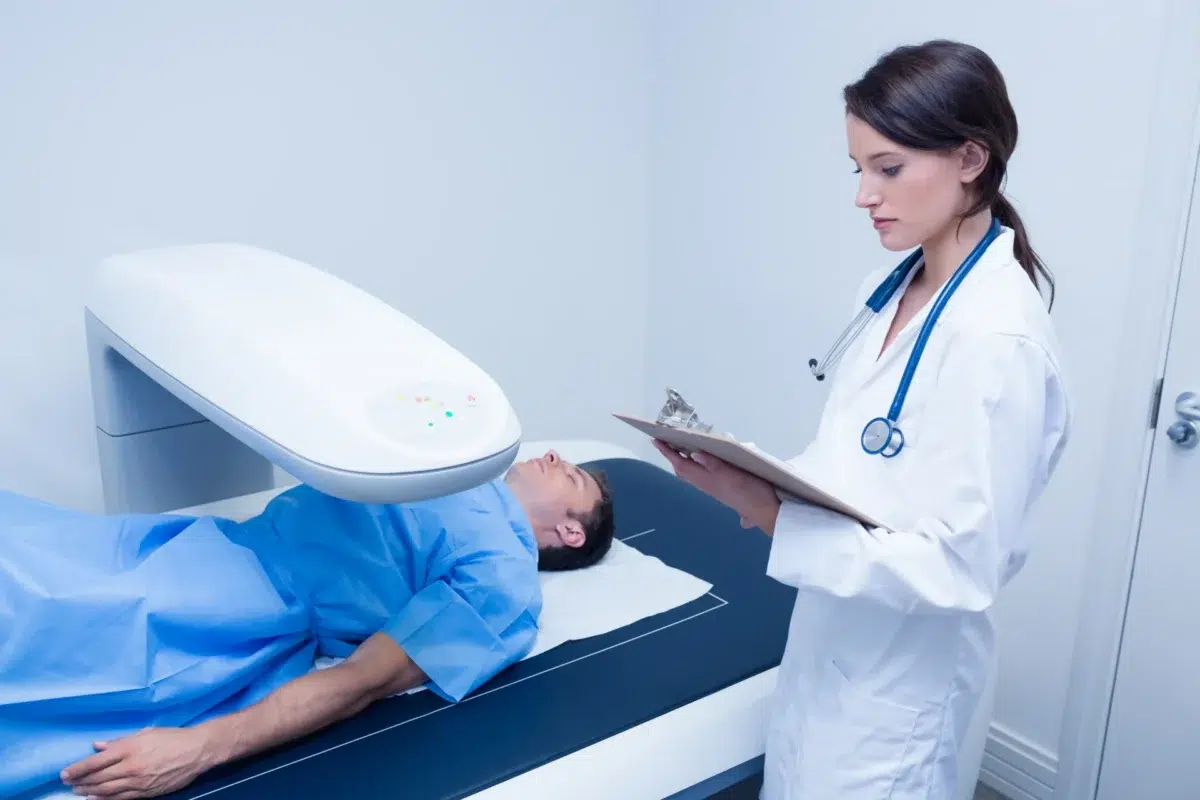
Health screenings are a cornerstone of preventive care, designed to identify potential health issues at their earliest stages. The rationale behind this approach is simple yet powerful – the earlier a disease is detected, the more effective and manageable the treatment becomes. Rather than waiting for symptoms to manifest, routine screenings empower individuals to take control of their health proactively.
Common Screenings and Their Importance
- Heart Disease Screenings: Heart disease is a leading cause of morbidity worldwide. Routine screenings, such as cholesterol and blood pressure checks, and cardiovascular imaging studies enable early identification of cardiovascular risk factors. Armed with this information, healthcare professionals can work with patients to develop personalized strategies for heart health, including lifestyle changes and, if necessary, medical interventions.
- Diabetes Screenings: Diabetes, especially Type 2, has seen a significant rise in prevalence. Regular screenings, including blood glucose tests, fasting insulin and hgA1C levels help in early diabetes detection. Early intervention, often through lifestyle modifications and medication, can prevent complications and improve overall quality of life.
- Breast Cancer Screenings: For women, routine mammograms and if needed a breast ultrasound or breast MRI are crucial in detecting breast cancer early. Early detection significantly increases the chances of successful treatment. Screening guidelines may vary based on age and risk factors, highlighting the importance of personalized care plans developed in consultation with healthcare providers.
- Colorectal Cancer Screenings: Colorectal cancer is another condition where early detection is key to successful treatment. Colonoscopies and other screening methods can identify precancerous polyps or cancerous growths in their early stages, allowing for timely intervention and improved outcomes.
- Physician Guidance: Health screenings are typically initiated by primary care physicians based on an individual’s age, gender, family history, and overall health. Regular check-ups provide an opportunity for healthcare providers to assess risk factors and recommend appropriate screenings. It’s important to maintain open communication with your healthcare team to ensure screenings align with your unique health profile.
Overcoming Barriers to Screening
Despite the clear benefits of routine health screenings, barriers such as fear or lack of awareness can deter individuals from seeking them. Healthcare providers and clinics play a crucial role in educating the public about the importance of screenings, addressing concerns, and making these services accessible.
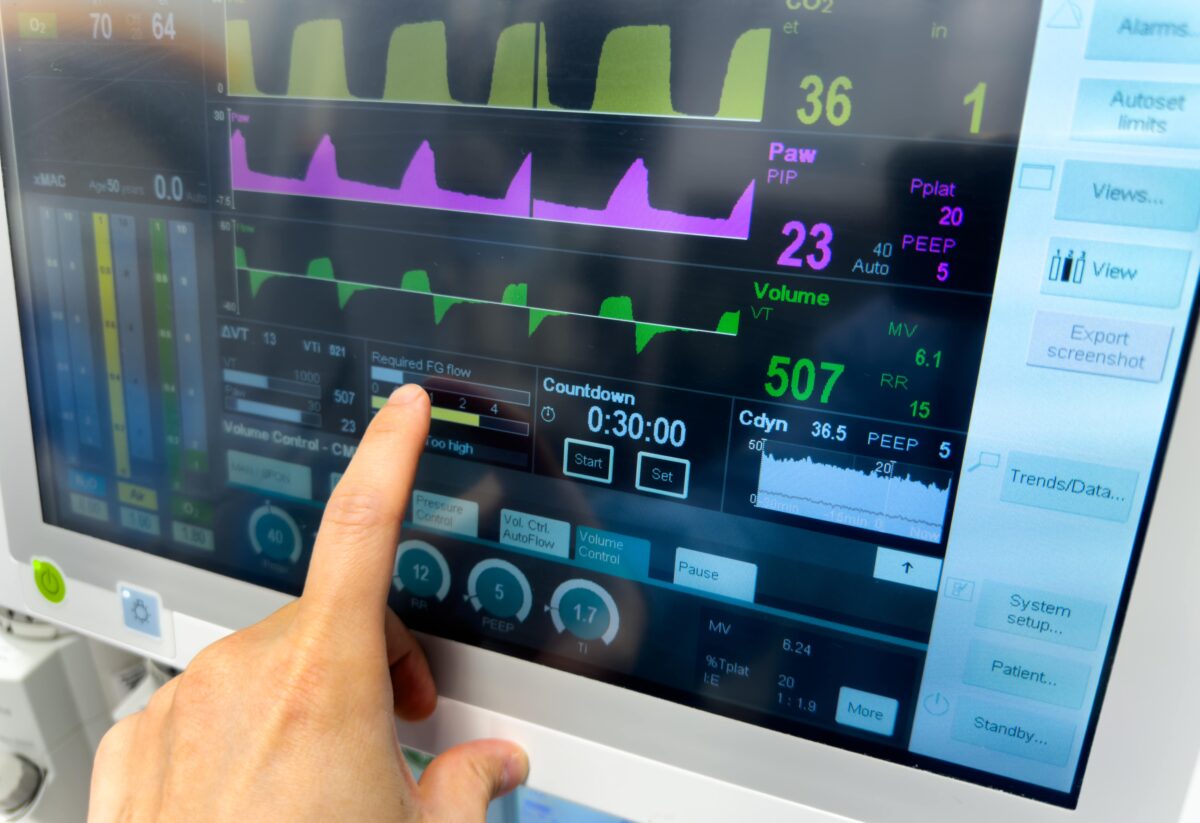
As you prioritize your health journey, consider taking the following steps:
Schedule a Check-Up: If you haven’t had a recent check-up, schedule one with your primary care physician. Discuss your health history, concerns, and the appropriate screenings for your age and gender.
Know Your Family History: Understanding your family’s health history can provide valuable insights into potential risk factors. Share this information with your healthcare provider during your check-up.
Stay Informed: Educate yourself about the recommended health screenings for your age group and gender. Being informed empowers you to actively participate in your healthcare decisions.
Encourage Others: Be an advocate for preventive care within your community. Share information about the importance of routine screenings with friends and family, encouraging everyone to prioritize their health.
Conclusion
Routine health screenings are a proactive and invaluable aspect of preventive care. By detecting potential health issues in their early stages, screenings empower individuals to make informed decisions about their health and well-being. Whether it’s heart disease, diabetes, breast cancer, or colorectal cancer, the significance of early detection cannot be overstated. Embrace a proactive approach to your health by discussing appropriate screenings with your healthcare provider and taking a step towards a healthier, more vibrant life. Remember, prevention is not just about avoiding illness – it’s about embracing optimal well-being.