

Reviewed by Dr. Hassan Sannoufi, MD, CCFP, EM, Founder and Chief Medical Officer, La Vie Health Centre.
A private health assessment is a physician-led evaluation of your overall health that goes well beyond what a standard OHIP visit covers. Instead of a brief annual checkup, it’s a structured, unhurried program designed to build a complete picture of where your health stands today and identify risks before they become problems.
If you’ve heard the term and wondered what it actually involves, or whether it’s the right fit for you, this page covers the basics.

Book a private consultation with a Patient Advisor to learn more.
The most common question people have is how a private health assessment is different from the annual physical they already get through OHIP. The short answer: scope, depth, and time.
A standard OHIP periodic health visit is designed to catch obvious concerns within a short appointment. A private health assessment is designed to find the issues that haven’t surfaced yet, using a broader set of diagnostics and a physician who has time to review and explain all of it with you.
| OHIP Periodic Physical | Private Health Assessment | |
|---|---|---|
| Appointment time | 10 to 20 minutes | Half-day or full day |
| Bloodwork scope | Basic panel | Comprehensive, 60 to 100+ markers |
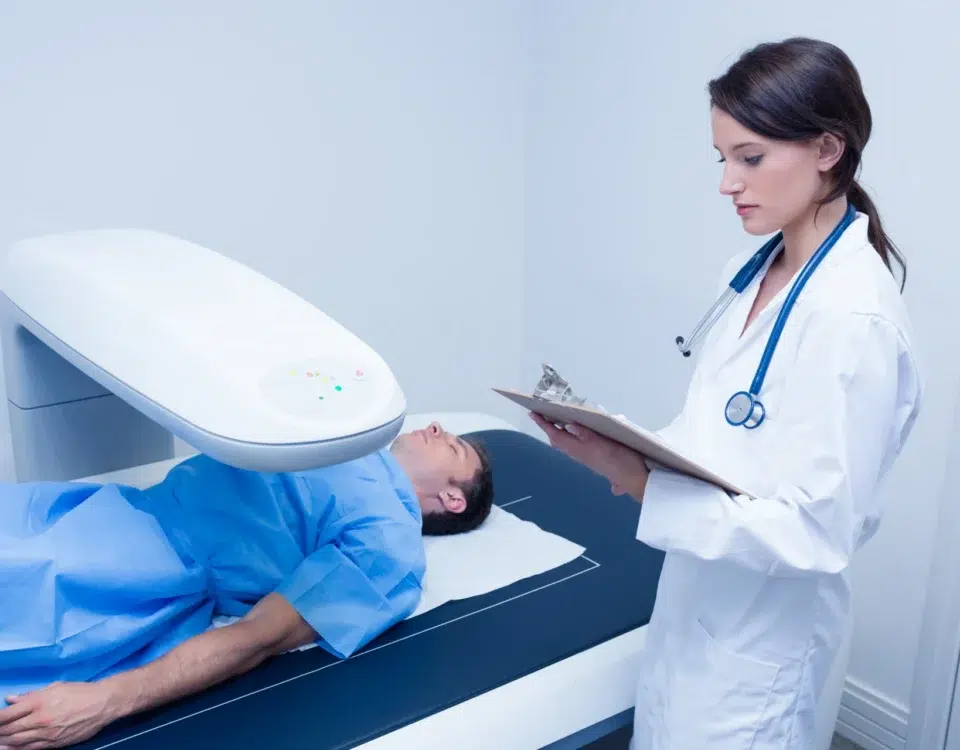
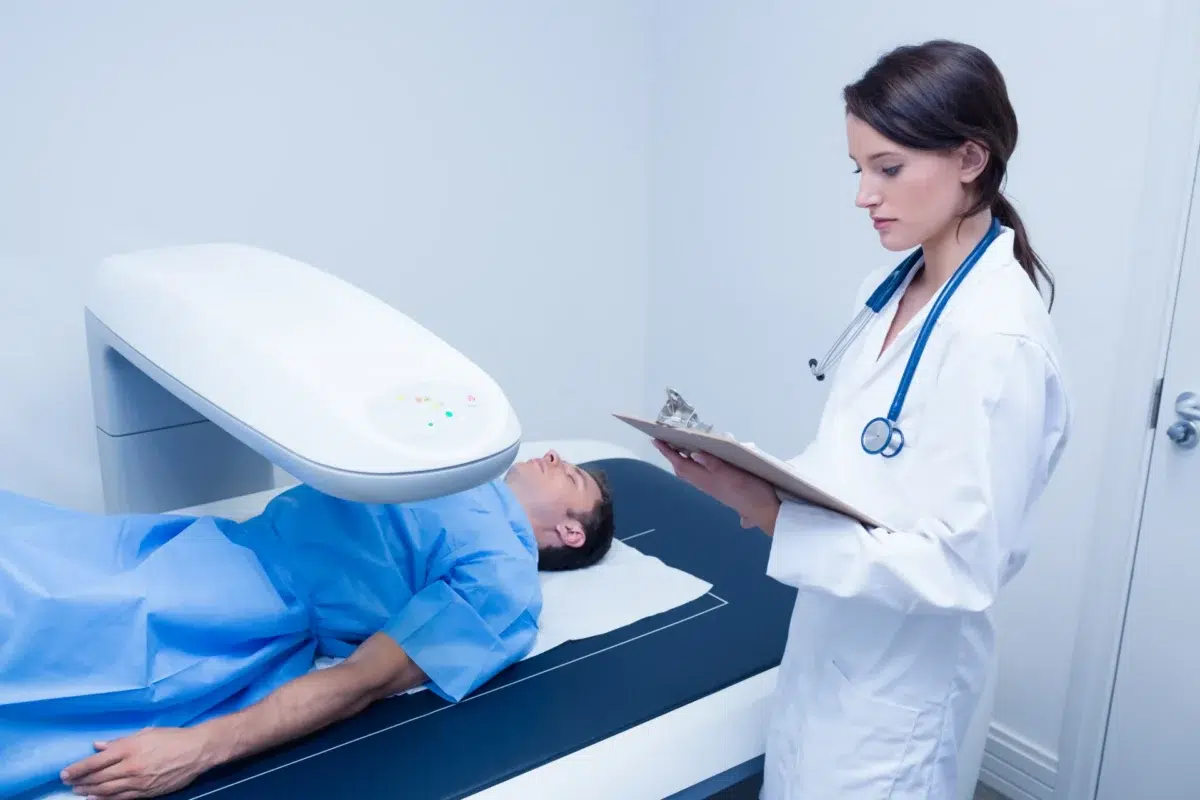
| Imaging | Rarely included | Typically included (DEXA, ECG, and more) |
| Results and plan | General lifestyle guidance | Written, personalized Healthspan Action Plan |
| OHIP coverage | Covered | Not covered; private fee |
The goal of a private assessment isn’t to replace your OHIP care. It’s to go deeper where OHIP doesn’t have the time or scope to.
While programs vary by clinic, a private health assessment typically involves a half-day or full-day appointment. You’ll meet with a physician for a thorough medical history review, complete a series of diagnostic tests, and receive your results with a clear explanation of what they mean and what to do next.
The most important output isn’t the test results themselves. It’s the conversation with your physician afterward and the written plan that follows. A good assessment tells you not just what was found, but what it means for your health over the next five to ten years.
How long it takes, which tests are included, and how follow-up care works will depend on the clinic and the program you choose.
Private health assessments exist alongside the public system, not instead of it. But understanding why more Ontarians are seeking them out means being honest about what the public system can and can’t reliably deliver right now.
Wait times for specialist care in Ontario are among the longest in the developed world. The Fraser Institute’s annual wait time surveys have consistently found that Canadians wait longer from referral to treatment than patients in comparable countries with universal healthcare systems. In Ontario specifically, access to a family physician has also tightened: the Canadian Institute for Health Information (CIHI) estimates that over two million Ontarians do not have a regular family doctor. For those who do, appointment times are short and focused on acute concerns, which leaves little room for the kind of in-depth preventive review that catches problems early.
None of that is a criticism of the physicians and staff working within the system. It’s a structural reality. A family doctor managing a panel of two thousand or more patients cannot offer the same depth of review as a private assessment program built specifically for that purpose. Private health assessments fill that gap for people who want comprehensive preventive care and can’t access it reliably through the public system.
If you’re weighing your options, what to look for in a private clinic walks through how to evaluate providers.
The reasons vary, but a few come up consistently.
They want more time with a physician. OHIP visits are short by necessity. A private assessment gives you an appointment without a clock running.
They can’t get timely access to care. Wait times for specialist referrals, imaging, and even routine physicals have stretched significantly across Ontario. A private assessment consolidates several of those steps into one structured visit.
They want to be proactive, not reactive. Many people choose a private assessment because they’re feeling fine and want to confirm that, or catch something while it’s still early and manageable.
Something came up in a routine test and they want answers. An abnormal result with no clear follow-up path is one of the most common reasons people turn to private medicine.
A private health assessment doesn’t require a referral, a specific age, or a particular health concern. It’s available to any adult who wants a more thorough look at their health.
La Vie Health Centre has offered physician-led private health assessments in Ontario for over 20 years. Our Foundation Assessment is a comprehensive, same-day program built around preventive medicine and early detection. If you want to understand what an assessment day actually looks like, that page walks through the full experience.
We have clinics in Kanata, Downtown Ottawa, and Oakville, serving members from across Southern Ontario and the GTA.
What is a private health assessment?
A private health assessment is a physician-led evaluation of your overall health that typically includes comprehensive bloodwork, cardiovascular screening, and a personalized written Healthspan Action Plan. It goes well beyond the scope of a standard OHIP physical and is designed to identify health risks early.
Does OHIP cover private health assessments in Ontario?
No. Private health assessments are not covered by OHIP. You pay a private fee directly to the clinic. Some people use health spending accounts or employer health benefits to offset the cost. Check with your benefits provider to confirm what’s eligible.
Why do people in Ontario choose private healthcare?
The most common reasons are wait times, limited appointment scope, and difficulty accessing a family physician at all. Over two million Ontarians currently have no regular family doctor, and specialist wait times in the province are among the longest in comparable countries. Private healthcare doesn’t replace the public system, but for people who want in-depth preventive care and can’t access it reliably through OHIP, it fills a real gap.
Do I need a referral to book a private health assessment?
No referral is required. You can book directly with a private clinic. Most clinics will have you speak with a patient advisor or coordinator before your assessment to confirm the program is a good fit.
How long does a private health assessment take?
Most programs are structured as a half-day or full-day visit, depending on the clinic and the tests included. Your clinic will tell you what to expect before your appointment so you can plan accordingly.
How often should I get a private health assessment?
Most physicians recommend a comprehensive assessment once a year for adults over 40, and every one to two years for healthy adults in their 30s. Your physician will recommend a schedule based on your results and risk profile.
Is a private health assessment worth it?
For many people, yes. Private assessments regularly identify issues that standard OHIP care doesn’t have the time or tools to catch early, including metabolic changes, hormonal shifts, and early cardiovascular risk. Whether it’s right for you depends on your health goals, your access to care, and what you’re looking to get out of it.
Ready to learn more? Book a private consultation with a Patient Advisor today.